



 Watch Full Show

Related
Guests
- Bert Voorheesattorney representing lead plaintiff Larry Bowoto in the case against Chevron.
- Larry BowotoLead plaintiff in case against Chevron Corporation. He was shot while protesting on a Chevron-owned oil platform in the Niger Delta in May 1998.
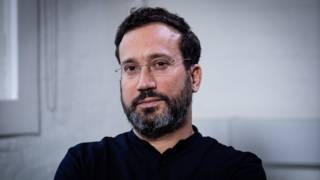
- Omoyele SoworeNigerian human right activist, was arrested and tortured by the Nigerian military government. He runs the Nigeria news website SaharaReporters.com
Links
A federal jury in San Francisco has just cleared oil giant Chevron of any responsibility for the May 1998 shooting and killing of protesters in the oil-rich Niger Delta. A decade ago, over 100 protesters had occupied a Chevron-owned oil platform to demand compensation and jobs for the environmental damage caused by Chevron’s drilling. The Nigerian military shot and killed two unarmed protesters and wounded several others. Survivors had argued that Chevron should be held accountable, because it paid the Nigerian military and transported them by helicopter to the oil platform. We speak with the lead plaintiff and the attorney in the case. [includes rush transcript]
Related Story
 StoryOct 28, 2008Drilling and Killing: Landmark Trial Against Chevron Begins Over Its Role in the Niger Delta
Transcript
AMY GOODMAN: A federal jury in San Francisco has just cleared the oil giant Chevron of any responsibility for the May ’98 shooting and killing of protesters in the oil-rich Niger Delta.
A decade ago, over a hundred people had occupied the Chevron-owned oil platform to demand compensation and jobs for the environmental damage caused by Chevron’s drilling. The Nigerian military shot and killed two unarmed protesters and wounded several others. Eleven of the protesters were arrested and reportedly tortured in the prison.
Survivors of the ’98 shooting have argued Chevron should be held accountable, because it paid the Nigerian military and transported them by helicopter to the oil platform. A month ago, nineteen Nigerian plaintiffs brought a landmark case against Chevron, using the Alien Tort Claims Act, which allows foreign nationals to sue in the US over international human rights violations. But on Monday, the jury rejected the claims that Chevron was responsible for the abuses. A Chevron spokesperson told reporters the verdict vindicated their response to the “dangerous hostage-taking situation where our employees were in peril.”
I’m joined in San Francisco now by Larry Bowoto, the lead plaintiff in the case against Chevron. He was shot in the elbow, side and back, while protesting on the oil platform ten years ago. He’ll be translated. We’re also joined by Larry Bowoto’s attorney, Bert Voorhees. Here in the firehouse, Sowore Omoyele, longtime Nigerian human rights activist, who has been arrested and tortured by the Nigerian military, as well. He runs the Nigerian news website saharareporters.com.
Bert Voorhees, explain what happened in the court yesterday.
BERT VOORHEES: Well, yesterday was a big setback for us, obviously, in the case and in this struggle. We thought we had presented adequate information to the jury so that they would find for the plaintiffs, and we were unable to cut through the lies, obviously, that Chevron was presenting to the jury. So we’re going to move ahead, file an appeal and press forward with a state case, which is asking a state court judge here to order Chevron to reduce its use of the military and to create transparency and accountability for Chevron in its use of the military.
AMY GOODMAN: Larry Bowoto, you were shot on that day in that last week of May in 1998 by the Nigerian military, flown in by Chevron. What is your response to the case, to losing this case? You’re the lead plaintiff in it. Larry is being translated.
LARRY BOWOTO: [translated] Well, I appreciate, and I thank you for your question that you just asked. On Monday — that was yesterday — I was disappointed in the judgment passed on by the jury. I believe personally that the struggle continues. I believe, too, that the attorney representing us will not stay put and that he’ll take the initiative in going to the court of appeal in order to address or see about this issue once more again.
AMY GOODMAN: Larry, you were shot on that day, on May 28, 1998, by the Nigerian military on the oil — on Chevron’s oil platform, the Nigerian military that Chevron flew in?
LARRY BOWOTO: [translated] Yes. On that fateful day, very early in the morning, the protesters had made up their mind to evacuate the platform. They were expecting a local canoe that will come pick them off the barge and the platform.
AMY GOODMAN: And instead, the military came in. Let me just ask Sowore Omoyele here in the studio — we have ten seconds — what will you do now, now that this case was lost?
OMOYELE SOWORE: Well, this is just one version of the case, which is a legal part of it. There’s a moral victory in this, that Chevron has been exposed to the taxi drivers, [inaudible] —
AMY GOODMAN: We’ll have to leave it there. I want to thank you for being with us, Sowore.



 Top
Top
Media Options